ODM · Product development
From a brief,
to a product we can defend.
ODM is the development route. A new shape, a new controller, a new fabric or a new formulation — designed with the group's moulding, electronics, converting and cut-and-sew teams, then validated before it is tooled.
Development floor
A new product, built with the teams that make it.
The Youke presentation describes cooperation from mould development to finished goods. Jixiang contributes industrial design and engineering, while Jiangxing covers product definition, development and production for flexible heating products.
See the plants →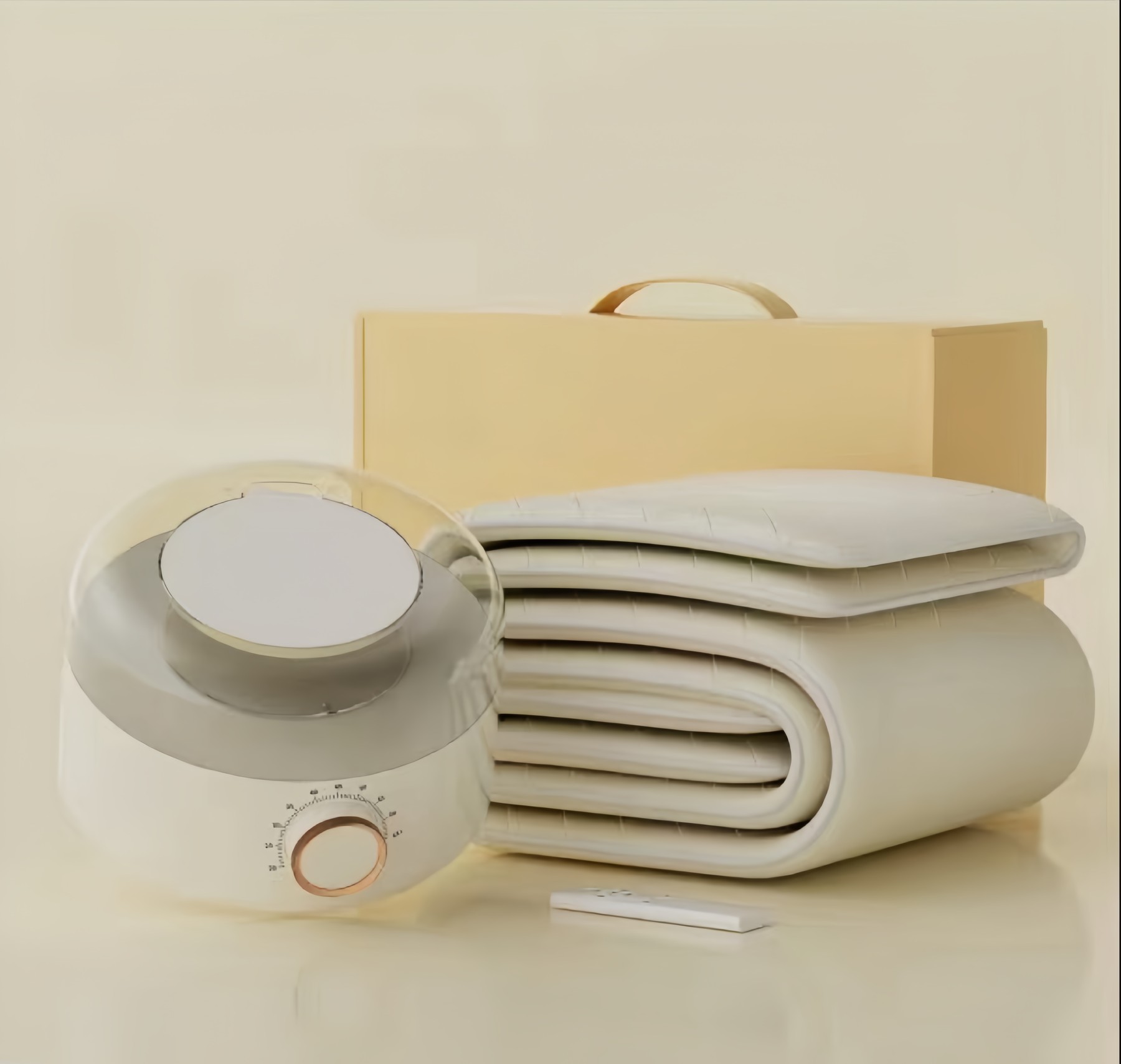
Capability
What we can
develop.
The group owns the processes a warmth product needs, so the prototype and the bulk order are made by the same people. That is the difference between an ODM project and a design agency.
Patch format & fill
Die-cut, fill weight, formulation and pouch format, developed with the Youke patch team.
Injection-moulded housings
Housings, clips and shells from the Jizao plant's 10 injection-moulding machines.
Electronics & structure
Heating and control electronics, structure and thermal design with the Jixiang engineering team.
Wiring & controllers
Blanket wiring, controllers and safety circuits on Jiangxing's automated wiring lines.
Fabric & construction
Fleece, velvet, flannel, non-woven and graphene constructions, cut and sewn in-group.
Packaging system
Pouch, sachet, carton, gift box, dielines and retail-ready presentation.
Developed here
Products built
with buyers.
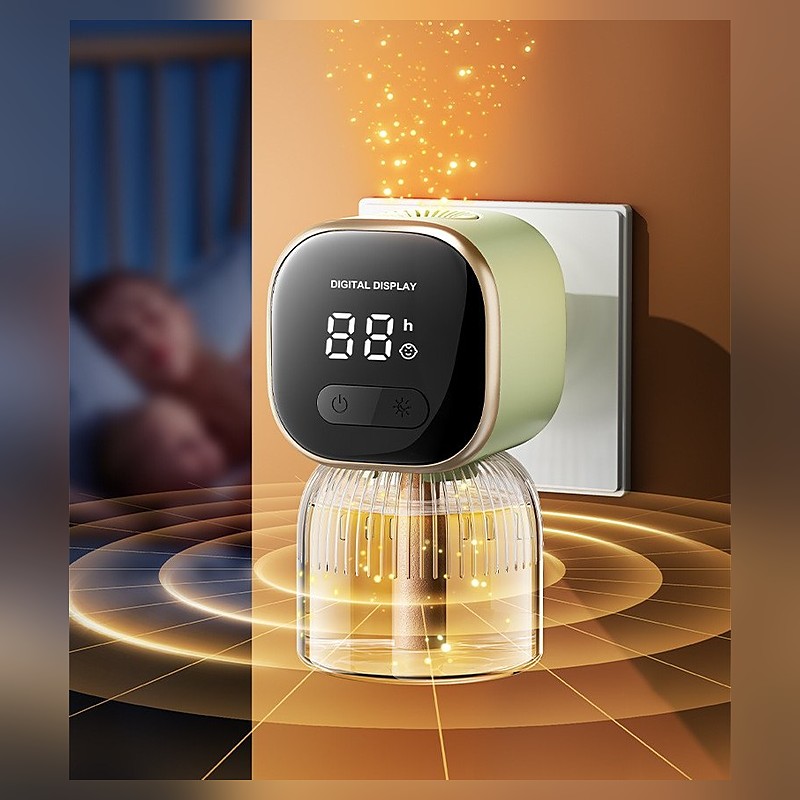
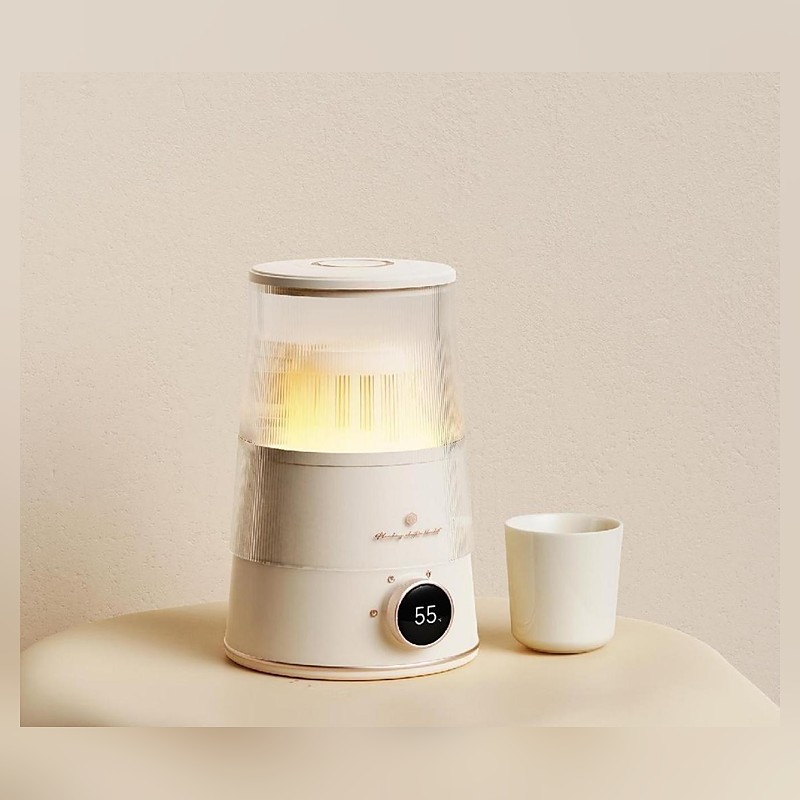
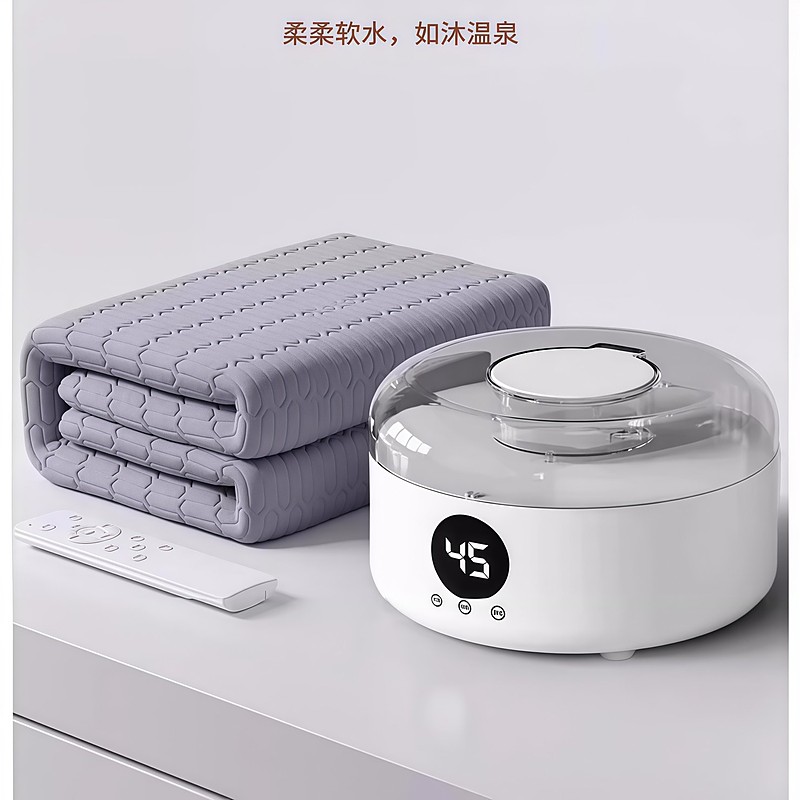
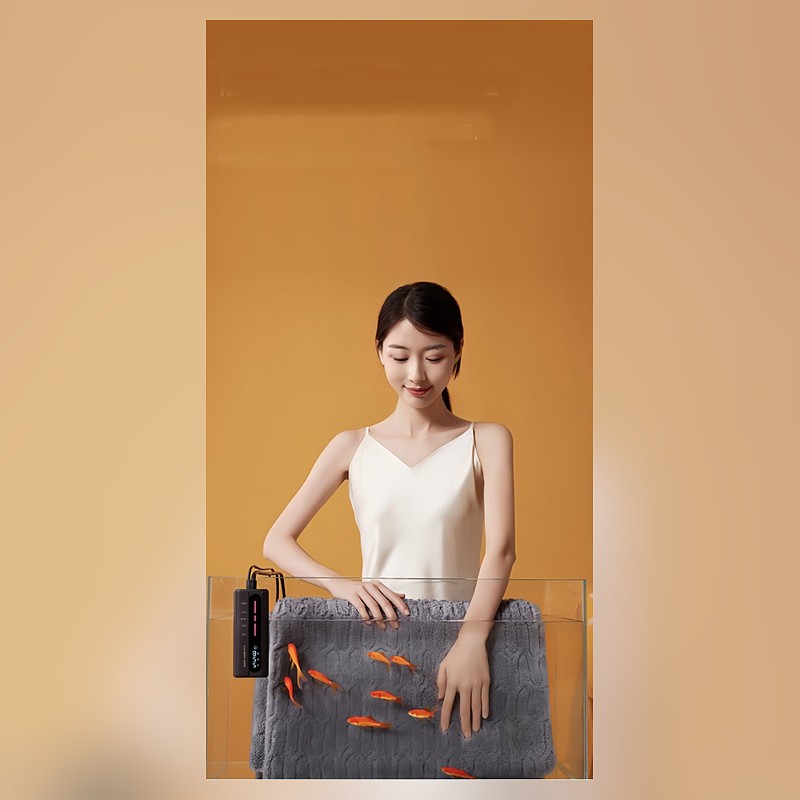
Recent ODM programmes: smart mosquito devices, water-heated blanket hosts, graphene shawls and U-shaped hot water bags.
See the catalogue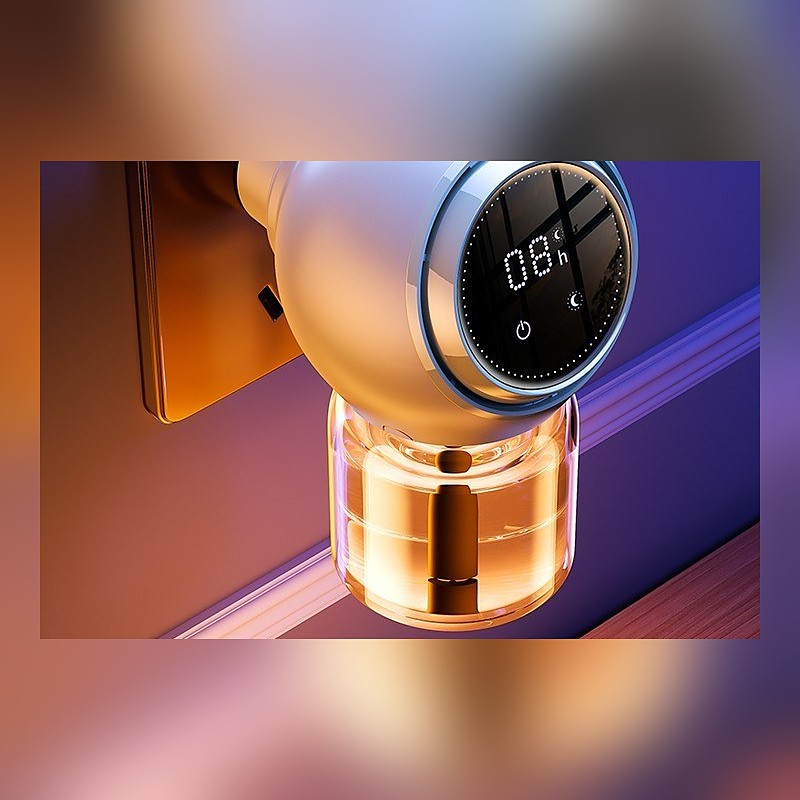


The project
Six stages,
one go / no-go at each.
A development project is a sequence of decisions, not a single quotation. Each stage ends with something you can hold or read before the next one starts.
Brief & market
The product, the market, the price point and the compliance requirement. We say early if something cannot be supported.
Concept & cost
Sketches, materials and a cost model. Tooling and MOQ implications are shown before any design work is committed.
Prototype
A physical prototype from the relevant plant — patch, moulding, wiring or cut-and-sew — for hand and market feedback.
Validation & documents
The test plan, the claims and the label are fixed together, so the product and its paperwork are approved at the same time.
Tooling & pilot
Mould or die manufacture, then a pilot run. Dimensions, function and packing are checked against the approved prototype.
Mass production
Bulk production on the group's lines with in-process inspection and a pre-shipment check.
Input
What we need
from you.
Output
What you get
back.
- Specification sheet and material list
- 3D model or render for market testing
- Prototype from the relevant plant
- Test plan, claims and label review
- Packaging dielines and retail presentation
- Tooling and piece-price quotation after spec freeze
IP & tooling
Clear terms
before the first drawing.
Development only works if both sides know what they own. We put that in writing before technical exchange.
- NDA signed before drawings, formulations or samples are shared
- Your brand, artwork and market data remain yours
- Tooling ownership and exclusivity agreed in the contract
- We flag any claim or certification we cannot support yet — before it reaches the label
Cost structure
How an ODM
quote is built.
ODM questions
Who owns the design and the mould?
Your brand, artwork and market data remain yours. Tooling ownership and exclusivity are agreed in the contract: buyer-funded tooling is normally owned by the buyer, group-funded tooling stays with the group.
Can you keep the product exclusive to us?
Exclusivity is a commercial term, not a default. We can agree market or SKU exclusivity against a volume commitment, written into the supply agreement.
Do you handle certification?
We test to the agreed standard and share the reports. Market registration and the legal responsibility for the label normally stay with the brand owner unless the contract says otherwise.
How long does development take?
It depends on whether the project needs a new mould, a new formulation or only new packaging. The timeline is confirmed after the concept review, before tooling is committed.
Start a conversation
Bring the brief.
We will tell you what it takes.
Market, target price, reference and volume is enough to start. We will come back with a concept direction, the tooling implication and a realistic timeline.